Little Bird welcomes Morrama
Why better design starts with understanding people
 Tom Crew
 Tom Crew
Changing a product is often easier than changing a habit. We have familiar ways of doing things, expectations about how objects should work, and routines that leave little room for learning something new. For a better idea to become part of everyday life, design has to understand those things.
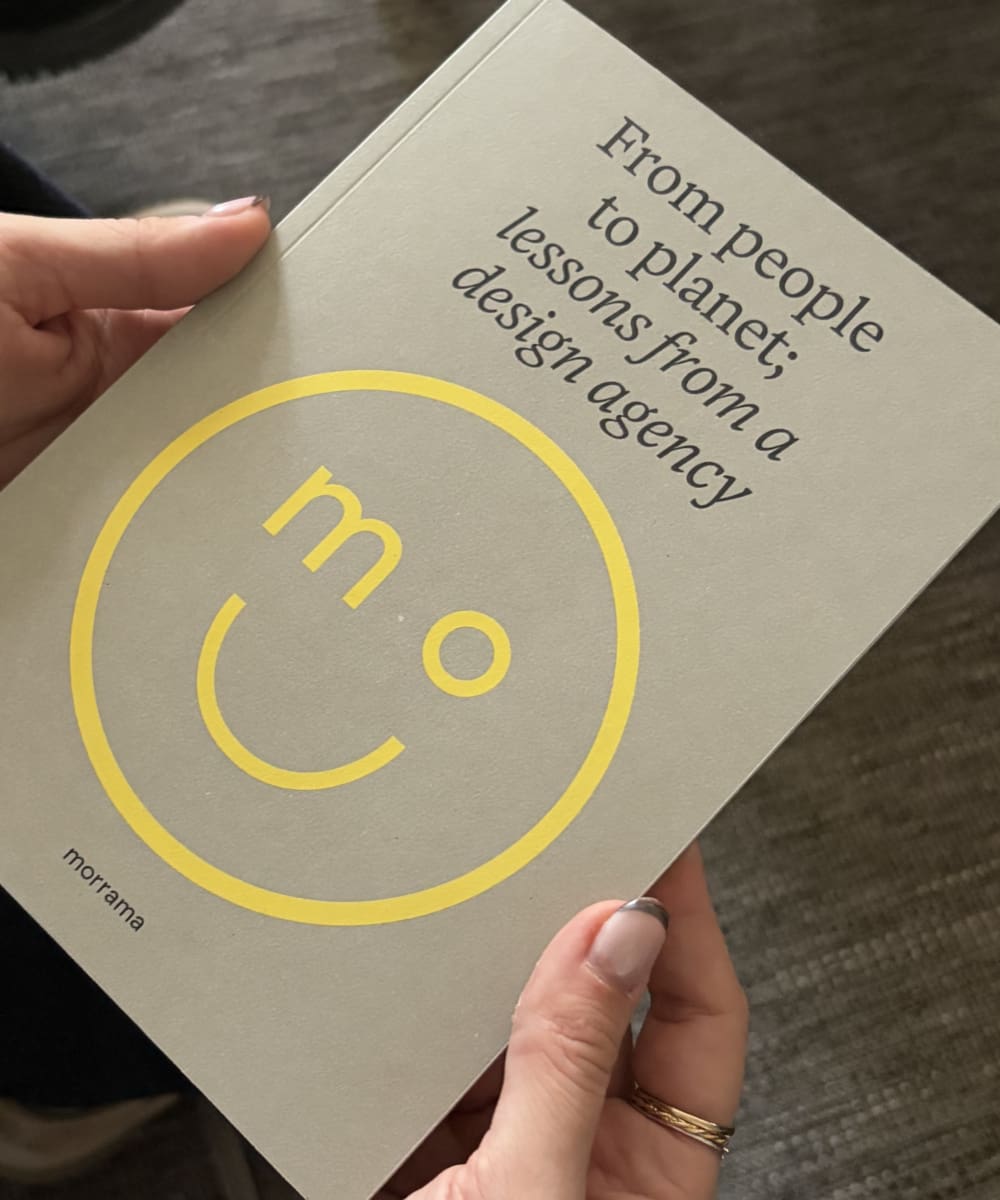
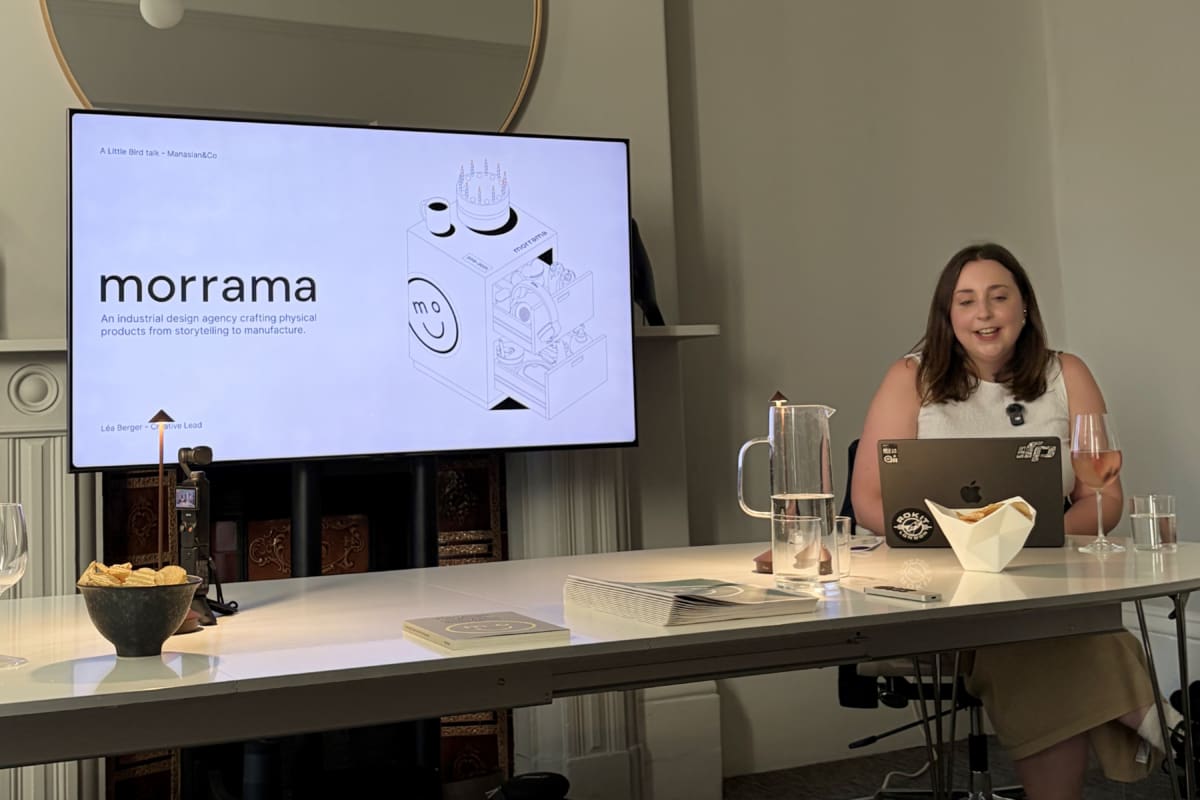
At our latest Little Bird, we welcomed Léa Berger, Creative Lead at Morrama, the London-based industrial design consultancy. Through refillable bathroom products, repairable headphones and explorations of AI, Léa shared an approach grounded in how people live, what they need and how products make them feel.
For Morrama, the first question comes before any sketches: does this product need to exist?
The studio assesses new briefs against three criteria. Will the work improve health or wellbeing? Reduce impact on the planet? Or bring something previously inaccessible to an underserved market? A project needs to meet at least one. Those questions give the team a basis for deciding where to put their energy – and when to say no.
That thinking becomes particularly interesting when an ambition meets an everyday routine.
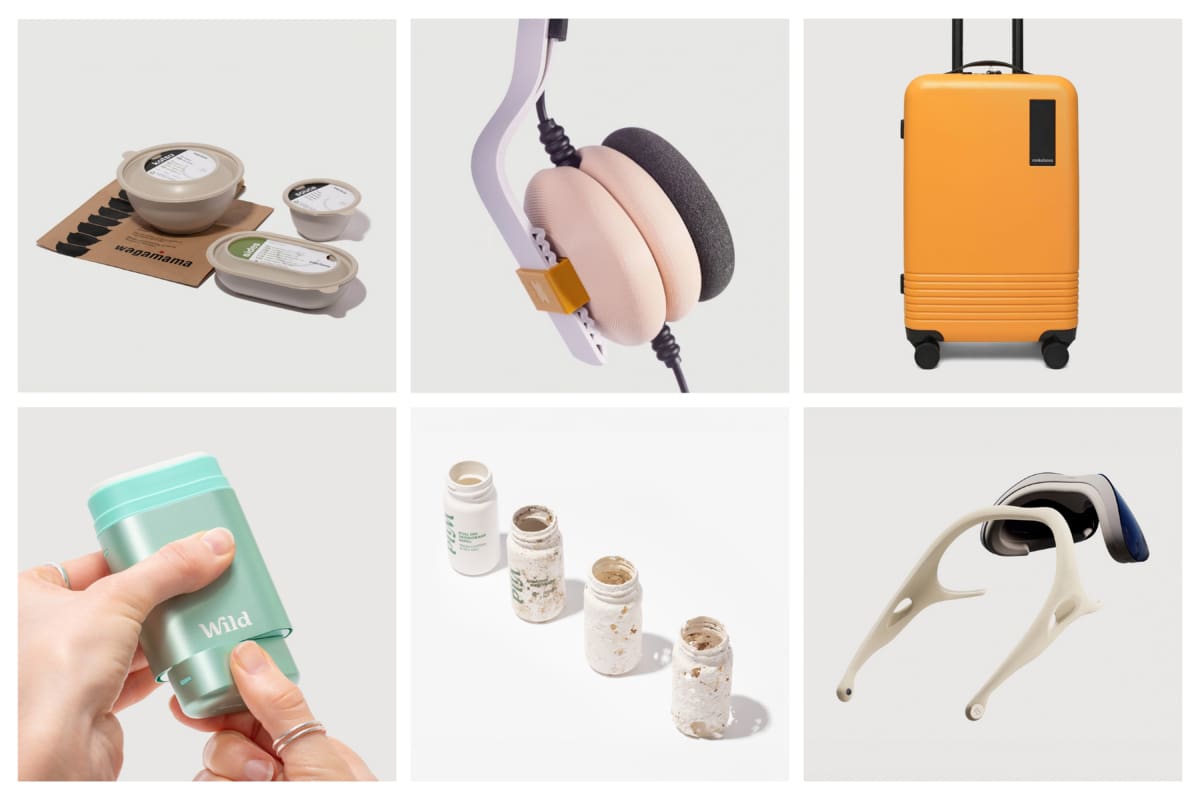
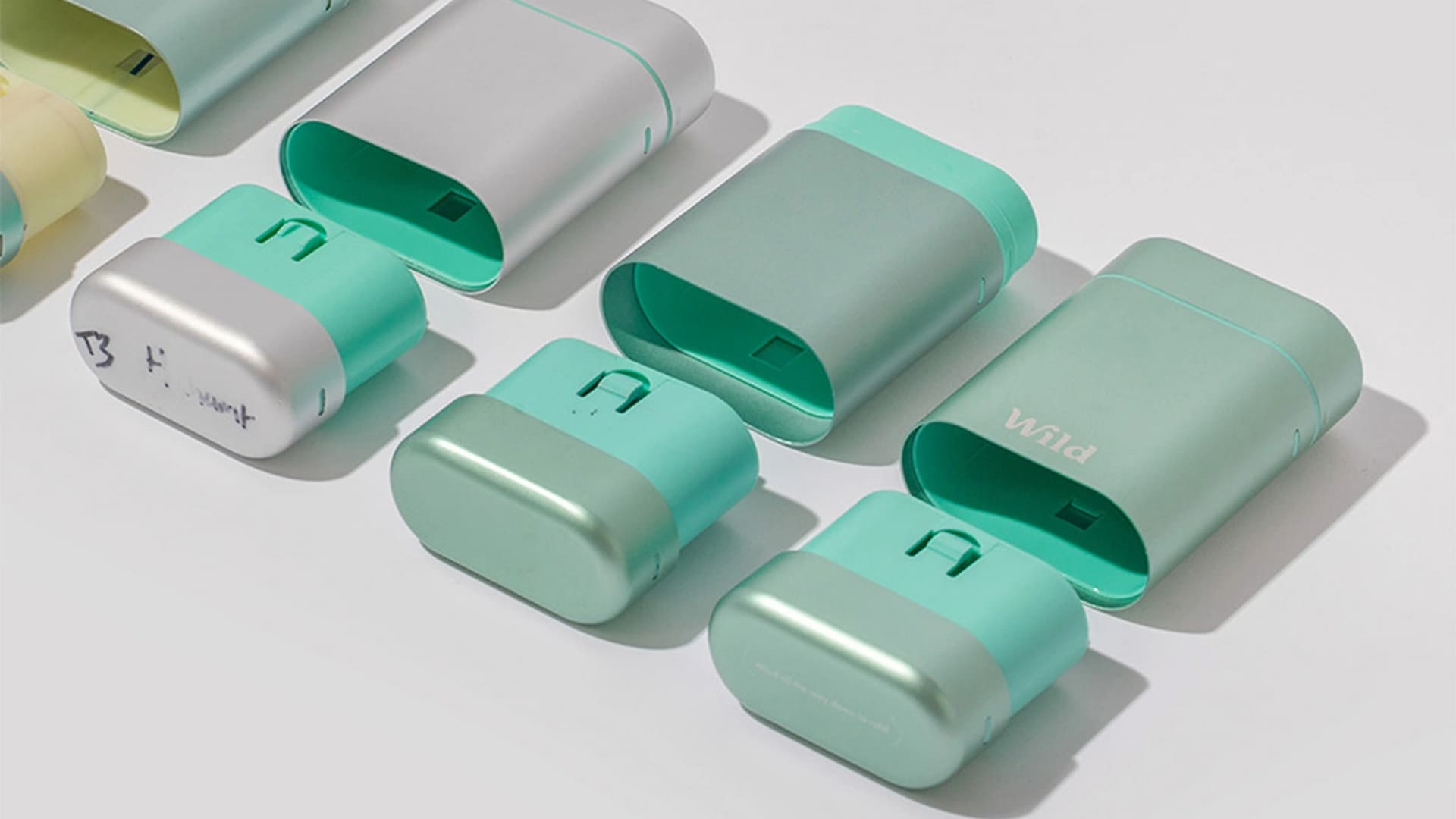
Morrama’s work with Wild offers a good example. Introducing refillable deodorant means asking people to change something they may have done the same way for years. The design needs to make that change feel manageable. Across the range, familiar interactions help: a lip balm still has a lid to remove and a mechanism to twist up. The refill system fits around behaviours people already understand.
Léa described this as “meeting people where they are”. Small changes can become lasting habits when the product makes them easy to repeat.
The same attention to behaviour shapes how long a product stays in someone’s life.
Morrama’s children’s headphones arrive as a kit, with parts that clip together. Building them gives children an understanding of the object they are using. If a part breaks, it can be replaced. If their taste changes, they can choose a different colour. Repair and customisation become accessible parts of ownership.
There is an emotional dimension here too. Understanding how something works, and having a hand in making it, can give people more reasons to care for it.
That interest in connection is also guiding Morrama’s exploration of technology. One self-initiated concept encourages family members to call each other and record conversations, building an archive of memories. AI would help people find moments within those recordings. Familiar, tactile controls make the interaction approachable.
The starting point is a human relationship. The technology’s role is to help people sustain it and preserve something meaningful.
The questions afterwards brought these ideas back to the realities of business. Circular design depends on systems for collecting and recovering materials. New materials bring cost and manufacturing challenges. People still need products to perform well and feel worth buying.
For brands, that is where the conversation becomes especially relevant. A commitment to sustainability takes shape in the ease of a refill, the availability of a replacement part and the experience of using a product every day.
What we found most interesting was the connection between adoption and attachment. Thoughtful design can help someone try a better way of doing things. It can also give them reasons to keep coming back – and to keep the product itself.
Key Takeaways
- Establish why a product should exist before designing it.
- Make change accessible through familiar interactions.
- Build repair and longevity into the experience of ownership.
- Use technology to support human connection.
- Consider cost, manufacturing and recovery systems from the beginning.
How is brand impacting your business?
If you’re wrestling with complexity – a story that’s got tangled, a brand that’s not pulling its weight, or an ambition that’s hard to track – we’d love to chat.
Insights
The latest thinking from our team of strategists, creatives, writers, innovators and partners.

Creativity at work – yes, that includes you too, dear client


Interested to
hear more?


